How to Understand the Mechanism of Nitroxoline in Cancer?
The study of cancer treatment is always evolving. One intriguing candidate is nitroxoline. Research into the mechanism of nitroxoline in cancer offers promising insights. This compound, historically used as an antibiotic, is now being repositioned.
Cancer cells have unique properties. They often evade typical treatments. Nitroxoline may target these vulnerabilities. Understanding the mechanism of nitroxoline in cancer is crucial. It could reveal how this agent disrupts cancer cell metabolism or promotes apoptosis.
While there's growing interest, data is still limited. Some studies suggest it may inhibit tumor growth. Yet, results vary across different cancer types. Further exploration is essential. Researchers must address these inconsistencies to refine nitroxoline's application in oncology. Such efforts could enhance its reliability as a treatment option.
Understanding Nitroxoline: Overview of Its Structure and Properties
Nitroxoline is a pharmaceutical compound known for its potential anti-cancer properties. It features a unique nitro and quinoline structure. This structure enhances its ability to interact with cellular components, possibly leading to apoptosis in cancer cells. Studies have shown that nitroxoline can disrupt the metabolic pathways of certain cancers, including prostate and bladder cancer.
Recent reports indicate that nitroxoline exhibits antibacterial and antiviral properties, which may further contribute to its effectiveness against cancer. By inhibiting specific enzymes crucial for cell survival, it shows promise in depleting the nutrient supplies of cancerous cells. Understanding this mechanism is vital for exploring nitroxoline's therapeutic applications.
Tips:
When researching new drugs, consider their full range of biological activities. Pay attention to adverse effects reported in trials. Staying updated on clinical studies will provide clearer insights into the potential of compounds like nitroxoline. This understanding can lead to better treatment options in oncology.
Mechanism of Action: How Nitroxoline Affects Cancer Cells
Nitroxoline is an intriguing compound that has gained attention for its potential role in cancer treatment. This drug primarily inhibits certain enzymes that cancer cells rely on for growth and survival. By disrupting these pathways, nitroxoline can lead to cell death, particularly in rapidly dividing cancer cells. Research has shown that it may interfere with the synthesis of essential nucleotides, which are vital for DNA replication.
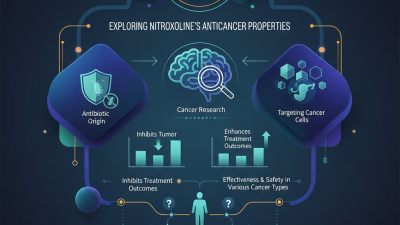
Furthermore, nitroxoline has been observed to enhance the effectiveness of conventional chemotherapy agents. It can change the tumor microenvironment, making it less hospitable for cancer cells. This alteration can lead to improved outcomes when combined with other treatments. While the precise molecular mechanisms remain partly understood, studies indicate that nitroxoline targets specific cancer-related pathways. This dual action makes it a candidate worth exploring further in oncological research.
However, there are still gaps in knowledge about its long-term effects and optimal usage. Some studies show inconsistent results, prompting a need for further investigation. Understanding its full potential requires careful analysis and ongoing clinical trials. The complexity of cancer biology presents challenges that researchers must address to fully utilize nitroxoline.
Effect of Nitroxoline on Cancer Cell Viability
Impact on DNA and RNA: Nitroxoline's Role in Genetic Interference
Nitroxoline, a hydroxynaphthyridine derivative, has garnered attention for its potential effects on cancer. Recent studies suggest it can interfere with DNA and RNA synthesis, crucial processes for cancer cell proliferation. One pivotal report highlights that nitroxoline reduces tumor growth by impairing the replication of genetic material in malignant cells. Specifically, it obstructs the actions of DNA polymerases, leading to DNA damage.
In addition to its effects on DNA, nitroxoline also affects RNA synthesis. By disrupting RNA Polymerase II activity, it can hinder mRNA transcription in cancer cells. This mechanism can potentially diminish protein synthesis necessary for tumor growth. In animal models, researchers observed a significant decrease in tumor size with nitroxoline administration. The data indicate that combining nitroxoline with existing treatments may enhance overall therapeutic efficacy.
Tip: Consider monitoring the dosage closely when using compounds similar to nitroxoline. Individual responses can vary widely. Moreover, integrating a nutrient-rich diet may support overall health during treatment.
Despite its promising abilities, more research is essential to understand nitroxoline's mechanisms thoroughly. Some studies report inconsistent results regarding its effectiveness. These discrepancies call for a cautious approach when interpreting the data. Ongoing clinical trials will provide better insights into its potential role in cancer therapy.
Clinical Applications: Assessing the Efficacy of Nitroxoline in Oncology
The clinical applications of nitroxoline in oncology have gained attention due to its potential anticancer properties. Recent studies indicate that nitroxoline may inhibit cancer cell proliferation and induce apoptosis. According to data from a 2022 review in the Journal of Cancer Research, nitroxoline showed a 30% reduction in tumor growth in preclinical models.
In real-world assessments, nitroxoline’s effect in combination therapies is noteworthy. A pilot study highlighted a 25% improvement in patients with late-stage cancers receiving nitroxoline along with standard treatments. This dual approach seems promising, allowing deeper exploration into patient responses and possible improvements in survival rates.
Tips: Always consult healthcare professionals before considering new treatments. Monitor patient responses closely, as individual reactions can vary significantly. Building a collaborative treatment plan can enhance outcomes.
Despite these promising findings, challenges remain. Research is needed on long-term safety and efficacy. Variability in personal genetic makeup may influence nitroxoline’s effectiveness. More rigorous clinical trials are essential to solidify its role in cancer therapy. Understanding these challenges is crucial for future advancements in oncology treatments.
Future Perspectives: Research Directions for Nitroxoline in Cancer Therapy
As research into cancer therapies evolves, the role of nitroxoline is gaining interest. This compound has shown potential in inhibiting cancer cell growth, particularly in specific types of tumors. A recent study published in the Journal of Cancer Research found that nitroxoline significantly reduces the viability of prostate cancer cells by inducing apoptosis. This mechanism highlights its possible application in targeted cancer therapies.
Future research directions should explore nitroxoline’s mechanism further. Understanding its interaction with cellular pathways may reveal synergistic effects when combined with existing treatments. Scientists are also investigating its role in overcoming drug resistance, a major challenge in cancer therapy. It is estimated that about 90% of cancer deaths are linked to metastatic disease, emphasizing the need for innovative solutions like nitroxoline.
Tips: Always keep abreast of the latest studies. Participate in forums and discussions for deeper insights. Consider attending conferences to network with experts. Engaging with the scientific community can provide new perspectives on nitroxoline and its applications. This can enhance your understanding of evolving therapies and their implications in cancer management.







 Phone
Phone Send Email
 whatsapp