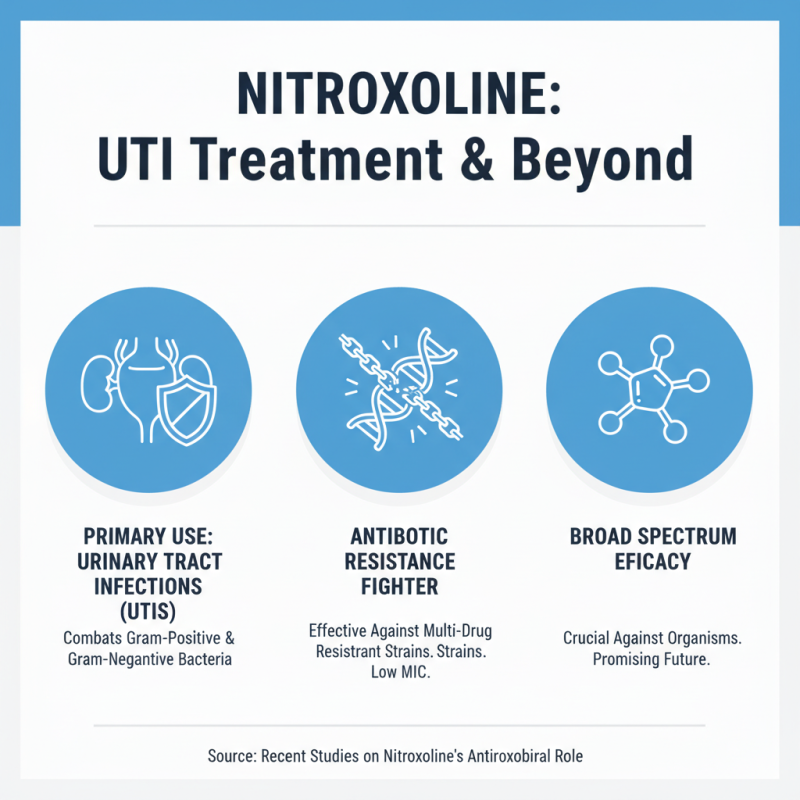
Nitroxoline FAQs Common Concerns for Global Buyers
In the realm of medications, "Nitroxoline FAQs And Common Concerns" stand out for buyers worldwide. Many people seek clarity on this pharmaceutical agent. As a notable option for treating urinary tract infections, Nitroxoline has gained attention. However, questions about its efficacy and safety often arise.
Potential side effects and interactions with other medications can be concerning. Effective communication about these risks is essential. Many buyers are left with uncertainty about how to use Nitroxoline properly. Misunderstandings can lead to inadequate treatment, which is frustrating for both patients and healthcare providers.
Furthermore, buyers often wonder about sourcing trusted products. The market offers various options, but quality and authenticity are crucial. Addressing these common concerns is vital for informed decision-making. Engaging with reliable sources can enhance understanding. Overall, addressing Nitroxoline FAQs helps navigate the complexities of treatment, ensuring both safety and efficacy.

Overview of Nitroxoline: What Buyers Need to Know
Nitroxoline is an antibiotic primarily used to treat urinary tract infections. It is effective against a variety of bacteria. Buyers must understand its uses and potential side effects before purchasing. The medication may cause nausea, headaches, or dizziness in some users. Knowing these effects helps in making informed decisions.
When considering Nitroxoline, it's crucial to consult healthcare professionals. They can provide guidance based on individual health needs. Some may find they are allergic to components in the drug. This highlights the importance of checking for allergies beforehand.
Tips for buyers include researching the proper dosage. Misuse can lead to ineffective treatment. Always store medications in a cool, dry place. Attention to these details ensures better outcomes. Remember, it's okay to have questions. Engaging with healthcare providers can clarify concerns about this medication's use.
Nitroxoline Usage and Market Insights
This chart illustrates the estimated market distribution of Nitroxoline usage across different regions, reflecting insights that global buyers might find useful.
Common Uses and Applications of Nitroxoline for Treatment
Nitroxoline is increasingly recognized for its role in treating urinary tract infections (UTIs). Its use stems from its ability to combat a range of gram-positive and gram-negative bacteria. In recent studies, nitroxoline has shown efficacy against strains that are resistant to traditional antibiotics, which is crucial in combating the growing issue of antibiotic resistance. Data indicates nitroxoline exhibits a minimum inhibitory concentration (MIC) that remains effective even against multidrug-resistant organisms.
For global buyers, understanding nitroxoline's applications is vital. The compound is not only effective in treating UTIs but also shows potential in treating skin and soft tissue infections. According to medical literature, the compound demonstrates favorable safety profiles, making it a reliable choice for patients. However, inappropriate use can lead to reduced effectiveness, a common concern among healthcare providers.
Tips: Always consult healthcare professionals before starting any treatment. Misuse of antibiotics can lead to serious health issues. Strive for a widespread understanding of antibiotic stewardship in the community. A little knowledge goes a long way in preventing further resistance.
Safety and Side Effects: Essential Considerations for Users
Nitroxoline, often used to treat urinary tract infections, raises common questions about its safety and side effects. Users must be informed before starting this medication. While it can be effective, there are several essential considerations to keep in mind.
One significant concern is potential side effects. Users may experience nausea, headaches, or dizziness. These reactions can vary from person to person, and some may not experience any issues at all. Monitoring your body’s response is vital. If you notice unusual symptoms, consult a healthcare provider.
Tips for safer use include taking nitroxoline with food. This can help reduce stomach discomfort. Staying hydrated is also crucial, as it may assist in minimizing some side effects. Keep track of how you feel. If symptoms persist, don't hesitate to seek medical advice. Being proactive about your health is key to a positive experience.
Regulatory Status: Understanding Global Acceptance of Nitroxoline
Understanding the regulatory status of Nitroxoline is essential for global buyers. This compound is recognized for its antibacterial properties. However, its acceptance varies widely across different countries. In some regions, it is readily available, while in others, it may face restrictions.
Regulatory authorities assess Nitroxoline based on clinical evidence and safety profiles. Data submission must meet local regulatory requirements. Often, buyers must stay informed about these regulations to ensure compliance. This can be challenging as guidelines frequently change, reflecting the evolving nature of medical research.
Tips: Always consult local regulations before purchasing. Engage with reputable suppliers to ensure quality. Research the most current studies on Nitroxoline to understand its potential benefits and risks. Awareness is key; never assume that acceptance is universal.
Buyers should also consider the nuances of Nitroxoline's use. Some healthcare professionals may express concern over its long-term safety. Engaging in discussions with authorities or experts can provide clarity. This proactive approach helps buyers navigate the complexities of global acceptance around Nitroxoline effectively.
Purchasing Tips: How to Choose Quality Nitroxoline Products
When choosing quality Nitroxoline products, focus on essential purchasing tips. Start with sourcing information from reputable suppliers. Research their track record in the industry. Experts emphasize the importance of transparency. A reliable supplier should provide detailed product descriptions and certifications.
Inspect the packaging closely. Quality products will have clear labels, expiration dates, and batch numbers. This information ensures safety and traceability. Additionally, look for third-party testing results. These results can provide extra assurance of product quality.
Consider user reviews as well. They can reveal both benefits and drawbacks. Pay attention to feedback regarding effectiveness and side effects. It’s common for products to work differently for each individual. This variability underscores the need for thorough research before making a purchase. Seek out community forums or health blogs. Engaging with others can guide informed decisions.








 Phone
Phone Send Email
 whatsapp