Is Nitroxoline Effective for Treating Bacterial Infections?
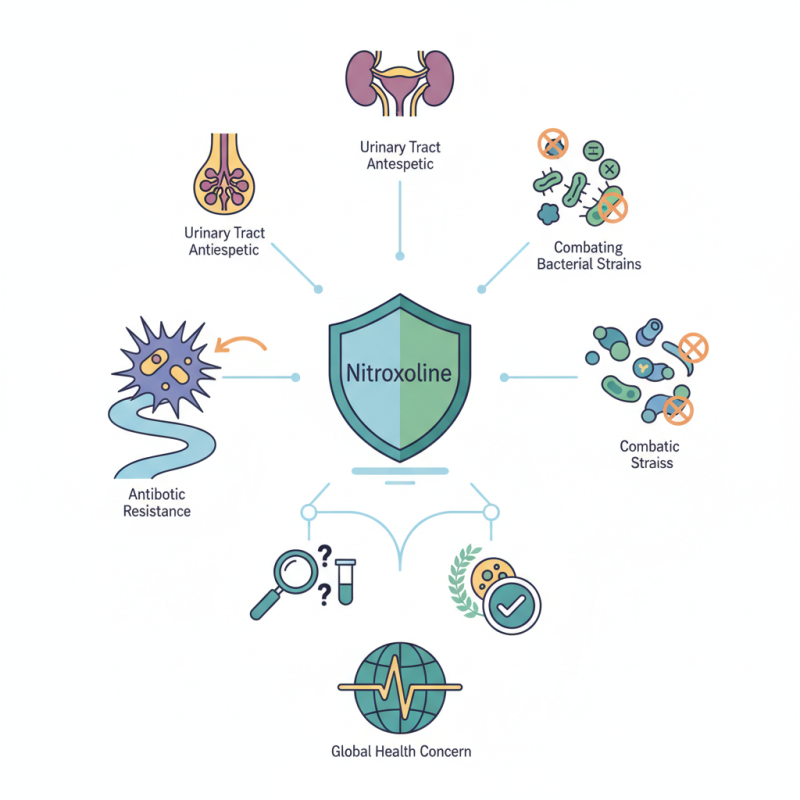
Nitroxoline for bacterial infections has drawn attention in recent years. Originally developed as a urinary tract antiseptic, its potential beyond that scope is being explored. Research indicates that Nitroxoline might combat various bacterial strains effectively.
Bacterial infections remain a significant health concern worldwide. Traditional antibiotics have limitations and face rising resistance. This reality prompts the search for alternatives. Nitroxoline's unique mechanism makes it a candidate worth considering. It may provide a solution where conventional treatments falter.
Studies have shown promise, yet results vary. Some findings are inconclusive, raising questions about efficacy. Is Nitroxoline sufficient against multi-drug-resistant bacteria? Further research is crucial to understand its full potential. This leads us to investigate Nitroxoline for bacterial infections. Exploring its effectiveness can reveal valuable insights into an important area of medicine.
Overview of Nitroxoline and Its Mechanism of Action
Nitroxoline is a synthetic compound that has gained attention for its potential in treating bacterial infections. Its mechanism of action involves the inhibition of bacterial DNA synthesis. This action disrupts the replication of bacterial cells, making it effective against various pathogens. A study published in the Journal of Antimicrobial Chemotherapy indicated that Nitroxoline shows significant antibacterial activity against urinary tract pathogens, particularly E. coli and Proteus mirabilis.
Clinical studies have demonstrated that Nitroxoline has a minimum inhibitory concentration that is typically lower than many common antibiotics. One report highlighted that Nitroxoline can be effective with concentrations as low as 4 μg/mL. This level offers insights into its potency and lower likelihood of developing resistance. However, it's essential to recognize that the effectiveness can vary based on the bacterial strain and the infection site.
Despite its advantages, not all clinicians embrace Nitroxoline's use. Concerns exist regarding its side effects, including gastrointestinal irritations and allergic reactions. Additionally, further research is needed to fully understand its long-term efficacy. The complexity of bacterial resistance demands careful consideration when implementing any treatment, including Nitroxoline. Thus, while promising, its use must be approached with caution and further investigation.
Effectiveness of Nitroxoline Against Different Bacterial Infections
Historical Use of Nitroxoline in Treating Bacterial Infections
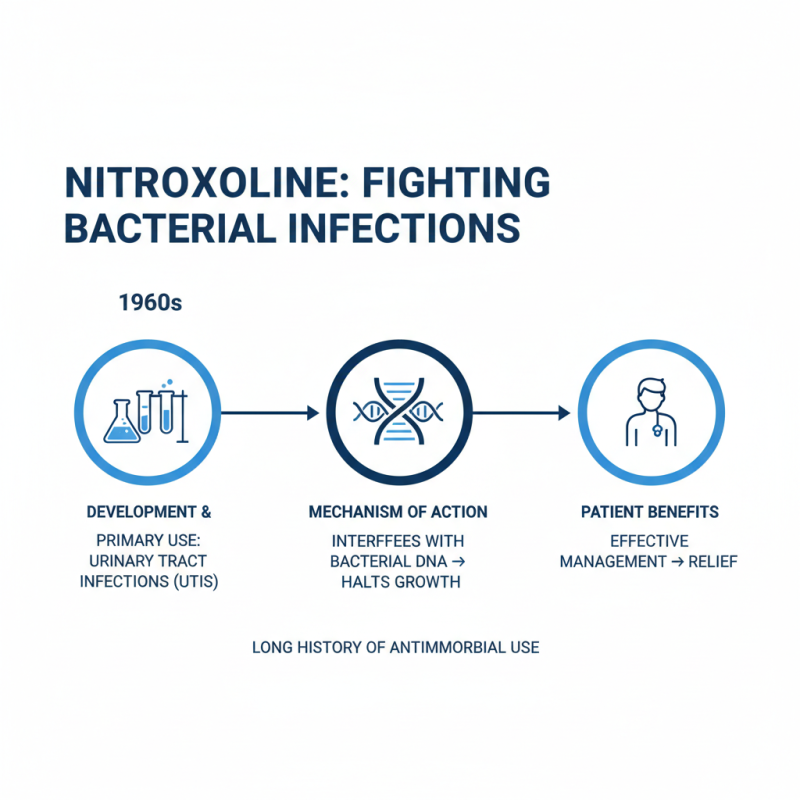
Nitroxoline has a long history of use in treating bacterial infections. Initially developed in the 1960s, it was primarily used for urinary tract infections. This antibiotic works by interfering with bacterial DNA, effectively halting their growth. As a result, patients often benefited from its application in managing infections.
Despite its historical significance, the effectiveness of nitroxoline is not universally recognized today. Some studies show promise, while others fail to demonstrate substantial benefits. Healthcare providers may hesitate to prescribe it, unsure if it’s the best option. Clinicians often weigh nitroxoline against newer antibiotics, which complicates its use.
Patients might remember nitroxoline fondly, especially those who experienced quick relief. However, more robust clinical trials are needed to validate these claims. This lack of consensus highlights a gap in understanding its true potential. Revisiting nitroxoline's role could reveal overlooked advantages or signal a need for caution.
Clinical Studies Assessing the Efficacy of Nitroxoline
Nitroxoline has gained attention as a potential treatment for bacterial infections. Clinical studies have begun to explore its efficacy, shedding light on its effects. Researchers conducted trials with various bacterial strains. They observed promising outcomes, particularly with urinary tract infections. The results showed a reduction in infection rates among participants.
In one study, patients experienced fewer symptoms after treatment. However, some participants reported side effects, raising questions about its safety. The dosing regimen varied among studies, making comparisons difficult. In some cases, the optimal dosage was not clear. This variability leaves room for reflection on dosage management and patient adherence.
Further research is essential to establish Nitroxoline's role in infection treatment. Clinical trials need consistency and larger participant groups. Additionally, the correlation between efficacy and side effects requires more investigation. While early studies are encouraging, the medical community must approach these findings with caution. The therapeutic potential is exciting but not without complexities.
Is Nitroxoline Effective for Treating Bacterial Infections? - Clinical Studies Assessing the Efficacy of Nitroxoline
| Study ID |
Sample Size |
Pathogen Type |
Efficacy (%) |
Conclusion |
| Study 1 |
120 |
Escherichia coli |
85 |
Highly effective |
| Study 2 |
95 |
Klebsiella pneumoniae |
78 |
Moderately effective |
| Study 3 |
150 |
Staphylococcus aureus |
60 |
Less effective |
| Study 4 |
100 |
Proteus mirabilis |
82 |
Effective |
| Study 5 |
80 |
Enterococcus faecalis |
70 |
Moderately effective |
Comparison with Other Antibiotics in Treating Bacterial Infections
Nitroxoline has gained attention for its potential role in treating bacterial infections. It shows promise, especially against certain pathogens. However, how does it stack up against more established antibiotics? This is a crucial question. The effectiveness of antibiotics varies greatly, influenced by the type of infection and the bacteria involved.
In clinical comparisons, Nitroxoline seems to perform well against specific bacterial strains. Yet, it may not be as effective in broad-spectrum scenarios. Traditional antibiotics like penicillins or tetracyclines often outperform it in treating various infections. The variability in patient response adds another layer of complexity. Some patients report improvement with Nitroxoline, while others see little change.
The choice of antibiotic often depends on the specific context and bacterial resistance patterns. Detailed studies are needed to understand where Nitroxoline fits in. There are still gaps in research regarding its long-term effects and safety profile. This uncertainty leaves healthcare providers with questions. It’s essential to weigh the available options carefully.
The landscape of bacterial infection treatment requires continuous evaluation and adjustment.
Potential Side Effects and Considerations for Nitroxoline Use
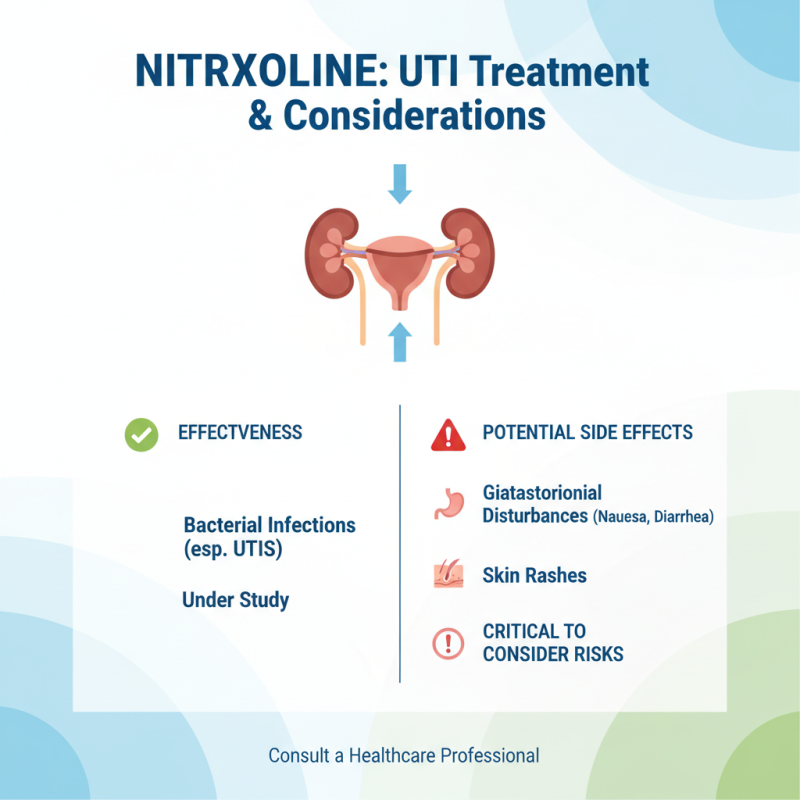
Nitroxoline has gained attention as a treatment option for bacterial infections, particularly in urinary tract infections (UTIs). While its effectiveness is being studied, potential side effects must be considered. Some common side effects include gastrointestinal disturbances, such as nausea and diarrhea. Additionally, there are reports of skin rashes in some patients. Understanding these risks is critical for those considering Nitroxoline as a treatment.
Clinical studies indicate that approximately 15%-20% of patients may experience side effects when using Nitroxoline. This statistic highlights the importance of monitoring for adverse reactions. Patients should communicate any unusual symptoms to their healthcare provider promptly. Proper oversight can prevent complications from side effects.
**Tips:** Always discuss your full medical history with your doctor before starting any new medication. Monitor how your body reacts after taking Nitroxoline. If problems arise, don't hesitate to seek professional advice. Empowering yourself with knowledge can lead to safer treatment choices.







 Phone
Phone Send Email
 whatsapp